Follow the trail with us.
The world is not short of stories. It is buried in them.
Some are reported. Some are made. Some arrive already dressed in authority: a government seal, a studio desk, a blue check, a solemn voice, or a crowd shouting what they mean before anyone has checked what they are.
By the time those stories reach us, the most important part is often missing.
The Rotten Dog exists to go after that part.
Which brings us, inevitably, to the name.
It is not a joke, though it started with dogs. Among people who love Rottweilers, “rotten dog” is a term of affection — a teasing name for a breed that is powerful, stubborn, comic, loyal, and far more thoughtful than its reputation allows.
That does not make the name unserious. Apple was not an apple company. Amazon was not a river. Twitter was not only bird chatter. The names did not explain the work literally. The work gave the names their meaning.
So will The Rotten Dog.
Twenty years ago, my wife and I produced a cooking show called Something Cooking. It began as a hobby and grew into a production company, Rotten Dog Productions. The name came from the Rottweilers in my life. I have had five of them. They were not props, mascots, or branding exercises. They were great dogs, and each one enlarged my respect for the breed.
There is an old line about dogs: a Labrador thinks, What can I do for you? A Rottweiler thinks, Let me consider that.
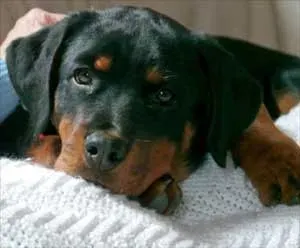
Anyone who has lived with one knows the truth in it. A good Rottie is not slow, dumb, or casually disobedient. It is weighing the room. It wants to know the job before it gives itself to the job.
One of mine, Laika, taught me that the hard way.
She was one of the best dogs I ever had and one of the most difficult to train, partly because I was trying to make her fit the ordinary expectations of obedience. She had other views. Then one exceptional trainer — we called her, with admiration, our canine dominatrix — told me what I should have understood sooner: Rottweilers need work. More than praise, more than repetition, more than correction, they need a job.
Try agility, she said. Or scent training.
Laika chose scent.
She took to it like a fish to water. Once she understood the game, it was no longer my exercise. It was her domain. She poked me, prodded me, and insisted that I hide things so she could search for them. I thought I was training the dog. The dog had decided I was support staff.
Eventually we joined NASAR, the National Association for Search and Rescue. We were never called into the field, but the work stayed with me, and so did the lesson.
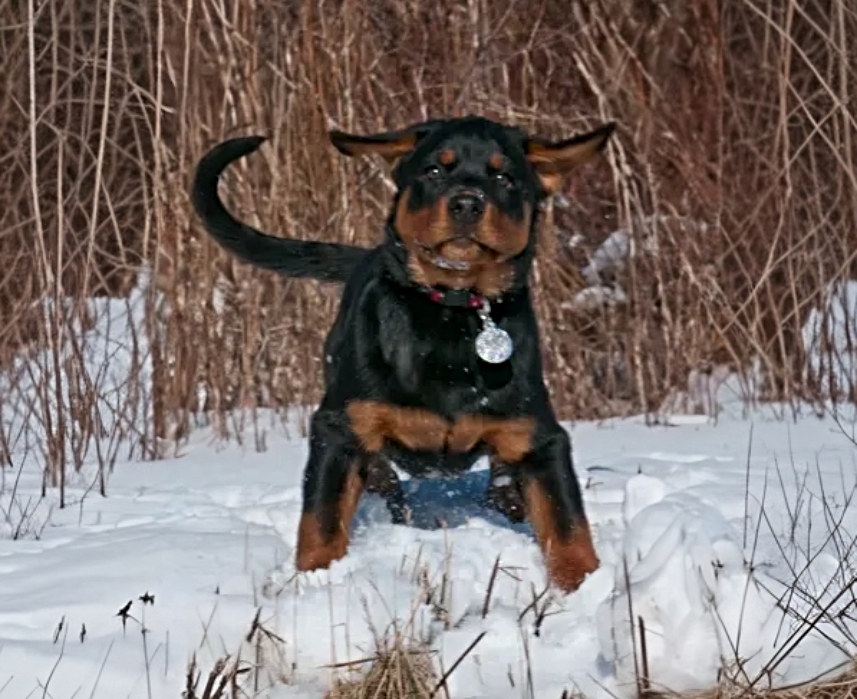
A good search dog does not start with the answer. It starts with the trail. It does not care which version is popular.